
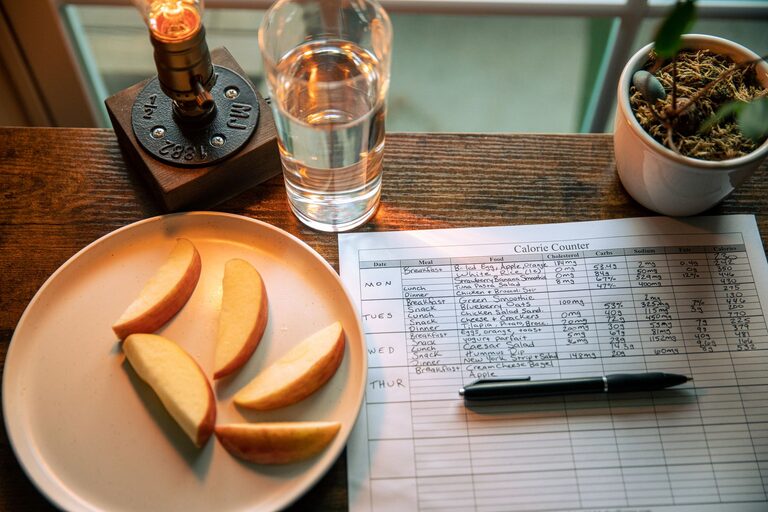
Planning balanced meals can sometimes feel overwhelming, especially with busy schedules and countless food choices. However, creating nutritious meals doesn’t have to be complicated or stressful. With a few simple strategies, you can enjoy well-rounded meals that support your health and fit your lifestyle. Here’s a friendly, step-by-step guide to help you plan balanced meals without the hassle.
What Is a Balanced Meal?
A balanced meal includes a variety of foods that provide essential nutrients your body needs, such as carbohydrates, protein, healthy fats, vitamins, and minerals. Generally, a balanced plate includes:
– Vegetables and fruits: Rich in fiber, vitamins, and antioxidants.
– Whole grains or starchy vegetables: Such as brown rice, quinoa, or sweet potatoes for energy.
– Protein: From sources like lean meats, beans, tofu, or fish to support muscle and tissue health.
– Healthy fats: Found in nuts, seeds, olive oil, and avocados for brain and heart health.
By including these components, you can fuel your body properly and feel satisfied after meals.
Why Plan Meals in Advance?
Meal planning offers several benefits:
– Reduces stress: Knowing what you’ll eat eliminates last-minute decisions.
– Saves time and money: Planning helps avoid impulse buys and reduces food waste.
– Supports healthier choices: You’re less likely to reach for convenient but less nutritious options.
– Helps manage dietary needs: Customize meals based on allergies, preferences, or health goals.
Step 1: Assess Your Needs and Preferences
Start by understanding what works for you and those you’re cooking for:
– How many meals need planning? Breakfast, lunch, dinner, snacks?
– Are there any dietary restrictions or preferences?
– What ingredients do you already have?
– How much time can you dedicate to cooking?
Answering these questions will tailor your plan to your lifestyle.
Step 2: Choose Easy and Versatile Recipes
Find simple recipes that you enjoy and can prepare quickly. Look for meals with interchangeable ingredients to keep variety without complexity. For example:
– Stir-fries with your choice of protein and vegetables.
– Grain bowls topped with beans, veggies, and a tasty dressing.
– One-pot pasta dishes with added vegetables and lean meat.
Keep a list of your favorites to rotate through the week.
Step 3: Create a Weekly Meal Plan
Use a notebook, app, or printable template to outline your meals. Here’s how to start:
– Write down the meals you want to prepare each day.
– Include notes about preparation steps or ingredients needed.
– Plan leftovers for some meals to save cooking time.
For example:
| Day | Breakfast | Lunch | Dinner |
|———-|———————-|———————|———————–|
| Monday | Oatmeal with fruit | Chicken salad | Grilled fish with quinoa and veggies |
| Tuesday | Yogurt with nuts | Veggie wrap | Stir-fry with tofu and brown rice |
Step 4: Make a Smart Shopping List
Once your meals are planned, write a grocery list organized by food categories:
– Produce (fruits, vegetables)
– Proteins (meat, beans, tofu)
– Grains (rice, bread)
– Dairy or alternatives
– Pantry staples (spices, oils)
This helps you shop efficiently and avoid forgetting items.
Step 5: Prep Ahead When Possible
Preparing some ingredients in advance can greatly reduce mealtime stress:
– Wash and chop vegetables for the week.
– Cook grains or proteins in batches.
– Portion snacks into grab-and-go containers.
Meal prepping doesn’t mean cooking everything at once; even small steps help.
Step 6: Keep It Flexible and Simple
Remember, meal planning is a guide, not a strict rulebook. If a day gets busy or you crave something different, it’s okay to adjust. Here are some tips to stay flexible:
– Use frozen or canned vegetables to save time.
– Keep healthy convenience foods, like pre-washed salad greens or rotisserie chicken.
– Have quick fallback meals, such as scrambled eggs or sandwich options.
Tips for Balanced Meal Success
– Focus on portion sizes: Use your plate as a guide—half vegetables, one-quarter protein, one-quarter grains.
– Hydrate: Don’t forget water throughout the day.
– Limit added sugars and processed foods: Keep treats moderate.
– Experiment with herbs and spices: They add flavor without extra calories.
– Listen to your body: Eat when hungry and stop when full.
Sample Balanced Meal Ideas
Here are some quick examples you can try:
– Breakfast: Whole grain toast with avocado, a boiled egg, and a side of berries.
– Lunch: Quinoa salad with chickpeas, cucumbers, tomatoes, feta cheese, and olive oil dressing.
– Dinner: Baked salmon, roasted sweet potatoes, and steamed broccoli.
Final Thoughts
Planning balanced meals doesn’t have to be overwhelming. By understanding basic nutrition, organizing your week, and prepping where possible, you can enjoy nourishing meals that fit your lifestyle and reduce mealtime stress. Start small, keep it simple, and gradually build habits that make healthy eating an easy and enjoyable part of your daily routine. Happy cooking!