When it comes to feeding yourself or your family, having a well-stocked pantry can be a real lifesaver. Pantry staples—those non-perishable or long-lasting ingredients you keep on hand—can form the foundation of many meals without requiring a special trip to the grocery store. Learning how to plan meals around these staples helps you save time, reduce food waste, and often save money.
In this post, we’ll explore practical steps to plan meals from your pantry staples, creative recipe ideas, and tips to keep your pantry organized and inviting.
What Are Pantry Staples?
Pantry staples are basic ingredients typically kept in your kitchen’s pantry or cupboards. They usually have a long shelf life and serve as building blocks for many recipes. Examples include:
– Grains like rice, pasta, quinoa, and oats
– Canned goods such as beans, tomatoes, and vegetables
– Baking essentials: flour, sugar, baking powder, salt
– Oils and vinegars
– Spices and dried herbs
– Nut butters and canned fish
– Broth or stock cubes
Having a variety of these items allows you to mix and match according to your tastes and what’s available.
Step 1: Take Inventory of Your Pantry
Before you start planning meals, take a few minutes to assess what you already have. This will help you avoid buying duplicates and focus on using what’s on hand.
– Create a list: Write down all the pantry items you currently have, paying attention to quantities and expiration dates.
– Group items: Organize them into categories like grains, canned goods, spices, etc.
– Check freshness: Discard any expired or questionable items to keep your pantry efficient and safe.
Having a clear picture of what’s available is the first step toward meal planning success.
Step 2: Choose Recipes That Use Your Staples
Next, pick recipes that incorporate your pantry staples. Here are some versatile ideas to get started:
Simple Pantry-Based Meal Ideas
– Pasta with Tomato Sauce: Use canned tomatoes, dried pasta, garlic, olive oil, and herbs. Add canned beans or vegetables for extra protein and nutrients.
– Rice and Beans: Combine rice with canned beans, spices, and a splash of broth for a filling, budget-friendly dish.
– Soup or Stew: Use broth cubes, canned vegetables, and grains or legumes. Customize with your favorite seasonings.
– Stir-fried Rice or Noodles: Use leftover rice or quick-cooking noodles, add canned vegetables or frozen items, and season with soy sauce or spices.
– Oatmeal Variations: Use oats for breakfasts or even savory dishes, sweetened or spiced with pantry items like nuts, dried fruit, or honey.
Step 3: Plan Your Meals for the Week
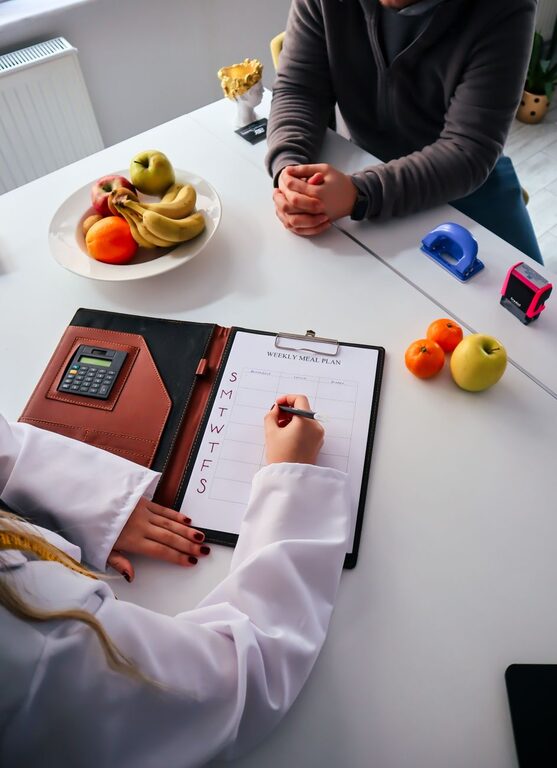
Once you know what ingredients you have and what recipes you want to try, draft a meal plan. This plan should be realistic and flexible.
– Mix and match: Use staples to create different meals throughout the week to avoid repetition.
– Batch cooking: Prepare larger portions of versatile dishes like soups or stews that can be eaten over multiple days or frozen for later.
– Use leftovers thoughtfully: Incorporate leftovers into new meals, like turning a soup into a sauce for pasta.
Having a plan not only eases daily decision-making but also helps reduce food waste.
Step 4: Shop Smartly to Fill Gaps
Even with a stocked pantry, some fresh or perishable items will be necessary. Use your meal plan and pantry inventory to create a focused shopping list.
– Buy only what you need: Avoid impulse purchases by sticking to your list.
– Complementary fresh items: Choose fresh produce or proteins that will work well with pantry staples.
– Consider freezer options: Frozen vegetables and fruits are great for extending shelf life and keeping variety.
Tips for Keeping Your Pantry Organized and Efficient
A well-organized pantry makes meal planning easier and more enjoyable.
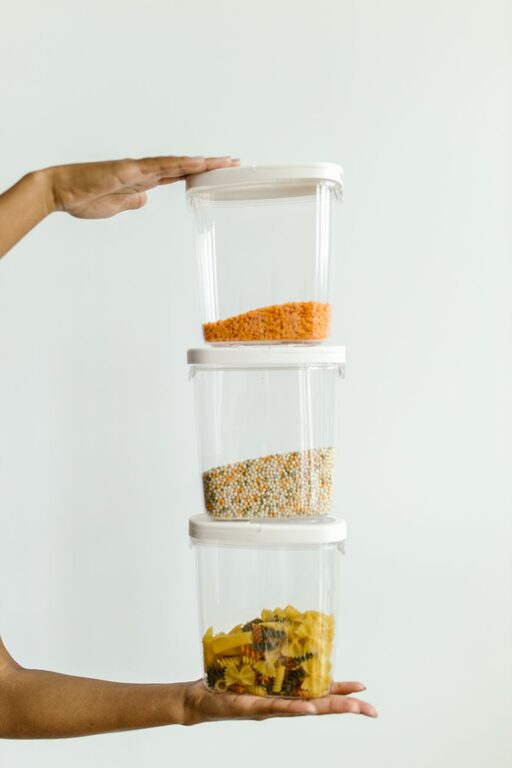
– Label containers: Transfer staples like flour, sugar, and grains to clear airtight containers with labels for quick identification.
– Group similar items: Keep items like canned goods together by type or cuisine.
– Use baskets or bins: Store small items or packets in bins to keep them tidy.
– Rotate stock: Place newer items behind older ones to use older ingredients first.
– Keep a running list: Maintain a list of what you have and what you need to replenish.
Final Thoughts
Planning meals using your pantry staples is a practical approach to cooking that saves time, money, and reduces waste. With a well-stocked and organized pantry, you can create a wide range of tasty meals without last-minute trips to the store. Start by taking inventory, select flexible recipes that use your staples, plan your meals ahead, and shop smartly to fill any gaps. Over time, you’ll develop a system that works for your lifestyle and taste preferences.
Happy cooking!